



At the moment, there are no entries available for display



Shared Value through Trust, Inclusion and Strategic Collaboration
Our social and relationship capital represents the trust, partnerships, and collaborative networks we build with stakeholders to drive inclusive growth and sustainable development. This ecosystem includes customers, community groups, regulators and advocacy bodies. Recognising that our long-term success depends on mutual trust, we maintained structured engagement processes across stakeholder groups, enabling continuous dialogue, feedback integration, and shared progress.
Social and Relationship Capital: How it supports DFCC BANK's Strategy
Linkage to Key Strategic Pillars of DFCC BANK's Strategy
Customer-Centric Excellence
Strong relationship with customers enables DFCC to deliver personalised,
accessible and trusted
service experience. By listening to our customer needs and engaging through multiple
touchpoints, the Bank strengthens loyalty and ensures service excellence remains at the heart of
its value proposition.
Strategic Growth and Market Expansion
Robust relationships with stakeholders including customers, suppliers, MSMEs
and community
create pathways for DFCC to expand into new markets and segments. Stakeholder insights help
identify emerging social and financial needs, enabling the Bank to pursue growth opportunities
with credibility and shared value.
Digital Innovation and Transformation
Partnerships with fintech, technology service providers and digitally
engaged customers enhance
DFCC’s ability to innovate and scale digital solutions. Social and relationship capital
amplifies digital adoption by ensuring trust, feedback-driven improvements and a seamless shift
to modern banking platforms.
Operational Efficiency and Agility
Close collaboration with stakeholders supports streamlined operations and
faster response
cycles. Strong relational networks ensure DFCC can resolve issues efficiently and maintain high
service standards across all channels.
Empowered Talent and Culture
Effective stakeholder relationships, both internal and external, cultivate a
culture of
collaboration, empathy and proactive service. Employees become strong brand ambassadors when
supported by trusting customer, supplier and community partnerships that reinforcing
people-focused culture.
Sustainable Impact and Governance
Trust-based relationships with stakeholders underpin DFCC’s commitment to
responsible banking
and sustainable leadership. These connections enable impactful initiatives, transparent
governance practices and sustainable outcomes that align stakeholder expectations with value
creation over short, medium and long-term.
SWOT Analysis for Social and Relationship Capital
S
Strengths
- Strong customer trust built through reliable service delivery.
- Deep stakeholder networks
- Growing partnerships with fintech and digital service providers
- Recognised brand reputation; recognised as ‘People and Planet First Supporter’ through Good Market Sri Lanka
- CSR programmes that foster community empowerment and goodwill
O
Opportunities
- Use digital platforms to enhance engagement
- Expanding partnerships with fintech, start-ups, and innovation hubs
- Building stronger supplier sustainability framework
- Increasing financial literacy and inclusion programs to deepen community ties
- Enhancing collaboration with development agencies for regional upliftment
W
Weaknesses
- Customer engagement may vary across regions and digital literacy levels.
- Dependence on third party service providers for some operational elements.
- Limited real-time data analytics to fully capture relationship insights
T
Threats
- Competitive banking landscape impact customer loyalty
- Supplier disruptions and technological dependency risks
- Increasing stakeholder expectations
- Reputational risks from adverse social media comments
Linkage to SDGs


CUSTOMER RELATIONS
70
years of legacy
Over 900,000
customers strong
15 Million+
transactions through self-service channels
33%
reduction in customer complaints
Focus on the customer
DFCC Bank has been serving customers for over 70 years, building long-standing relationships across individuals, businesses, and communities. This legacy is grounded in trust, transparency, and consistent and efficient service, which continue to guide how the Bank engages with customers and responds to their financial needs.
During 2025, a year of economic stabilisation and digital advancement, the Bank maintained its customer-centric approach by delivering convenience, relevance, and personalised service across all touchpoints, physical, digital and hybrid. The combination of personal service and technology positions DFCC Bank as an indispensable partner in our financial development. As of January 2026, our network of 133 branches nationwide, supported by digital platforms, provides accessible banking services connecting urban centres and rural communities alike.
Integrity, transparency, and trust remain central to the Bank’s service philosophy. These principles guide every customer interaction and shape how solutions are designed, delivered, and improved. The Bank views each customer enquiry, feedback point, and complaint as an opportunity to learn, strengthen relationships, and enhance service quality.
Customer insights are gathered through structured listening mechanisms, customer feedback channels, complaint analysis, and detailed root cause reviews. By addressing areas of friction and responding promptly to customer concerns, DFCC Bank continues to provide a reliable and trusted banking experience, supported by integrity, innovation, and long-term commitment to its customers.
Recognition for customer service excellence and innovation
DFCC Bank’s customer-focused strategy continued to receive national recognition, affirming the success of its inclusive, responsive, and digitally enabled service model. These accolades validate the Bank’s long-term investment in building platforms and products that meet the evolving needs of its diverse customer base, while supporting Sri Lanka’s broader financial inclusion and digital transformation agendas.
At the LankaPay Technovation Awards 2025, DFCC Bank was recognised with four awards, reflecting both operational excellence and leadership in inclusive banking innovation.
Gold Award – Bank of the Year for Excellence in Customer Convenience (Category C)
- DFCC ONE mobile app enabling secure, real time banking
- DFCC MySpace self banking kiosks expanding 24/7 access
- Self service options, through chatbots, online banking and DFCC iConnect
- DFCC Virtual Wallet supporting everyday digital payments
Gold Award – Bank of the Year for Financial Inclusivity (Category C)
- DFCC Aloka/+100,000 customers
- Islamic Banking suite
- Outreach to women, youth, elderly and underserved communities
Merit Award – Overall Excellence in Digital Payments (Banking Institution)
- Real-time transactions and secure interoperability.
Merit Award – Best Common ATM Enabler of the Year (Category B)
- Accessibility and efficiency
GRI
417-1
417-2
Diverse in excellence
DFCC Bank serves a broad customer base that reflects the diversity of Sri Lanka. Our clientele spans every province and socio-economic group, from youth and senior citizens to professionals, rural entrepreneurs, MSMEs, and corporate entities. We take pride in designing products and channels that respond to this spectrum, ensuring that all communities, including those in underserved and remote regions can access reliable and relevant banking, products and services.
This momentum was supported by improvements in digital onboarding processes, the effective integration of branch and digital service models, and targeted engagement initiatives focused on priority segments such as youth, women led enterprises, and MSMEs. These developments took place against a backdrop of economic stabilisation, reinforcing DFCC Bank’s role as a trusted partner for financial security and long term growth.
Customer acquisition and engagement benefited from the Bank’s hybrid delivery model, which combines digital convenience with relationship led branch support. Customers increasingly adopted digital channels for routine transactions and onboarding, while branches continued to play a key role in advisory services and relationship management. This balance enabled DFCC Bank to serve a wider customer base while maintaining service consistency and personal engagement across its 133 branch network.
Several initiatives contributed meaningfully to engagement growth during the year. DFCC Aloka, the Bank’s proposition for women, surpassed 100,000 customers, reflecting sustained demand for solutions tailored to women entrepreneurs and professionals. At the same time, the expansion of Islamic Banking products supported customers seeking ethical and faith-aligned financial services, broadening participation across diverse communities and also highlighting the Bank’s commitment to DEI. Digital adoption also increased across customer segments, supported by enhancements to the DFCC ONE mobile app, DFCC iConnect, and self service infrastructure.
Together, these factors strengthened customer participation, increased interaction frequency, and reinforced long-term relationships. The growth observed in 2025 reflects not only expanded reach, but also the effectiveness of DFCC Bank’s inclusive propositions and service model in building meaningful engagement and sustaining customer confidence over time.
Products and services
Product portfolios were continuously reviewed to ensure alignment with customer needs and risk appetite. New and existing offerings were evaluated for relevance, performance, and compliance with regulatory standards. Where appropriate, modifications were introduced to better serve evolving preferences, particularly in areas such as ethical finance, digital convenience, and accessible credit.
While digital channels gained traction as preferred modes for day-to-day banking, branches remained an essential component of the relationship journey. DFCC Bank’s strategically located branch network continued to provide advisory support, complex transaction handling, and onboarding services. These physical touchpoints complement the Bank’s digital infrastructure, ensuring a seamless, hybrid experience for customers across demographics and geographies.
As part of its relationship-centric approach, DFCC Bank also strengthened service touchpoints by investing in staff training, customer service frameworks, and technology systems that facilitate faster response times and more informed interactions. This holistic model is designed not only to meet customer expectations today but to build durable, trust-based partnerships that grow over time.
Product and service information is published on the Bank’s website (www.dfcc.lk) and in marketing communication material in three languages: Sinhala, Tamil and English.
No known incidents were reported on non-compliance concerning product and service information and labeling for the reporting year.
Protecting customer interests
In an increasingly digitised banking environment, DFCC Bank continued to prioritise the protection of customer data, privacy, and trust. In 2025, the Bank further strengthened its information security protocols and data governance frameworks to ensure that all digital touchpoints adhered to the highest standards of confidentiality, integrity, and availability. Notably, there were no substantiated incidents of data breaches or privacy violations during the year.
DFCC Bank follows a risk-aware, compliance-aligned approach to data stewardship. Systems are in place to monitor access, storage, and processing of customer information in line with regulatory and global privacy standards. Regular audits, vulnerability testing, and simulations were conducted to ensure resilience against emerging threats.
In response to increasing digital activity, the Bank enhanced its fraud detection tools and real-time transaction monitoring. Customer authentication layers were strengthened, and awareness programmes were expanded to help customers safeguard their digital interactions. All new product developments underwent mandatory privacy and security reviews prior to launch.
Employee training and capacity-building efforts remained a key focus to ensure responsible data handling across all service channels. These combined initiatives reinforced DFCC Bank’s position as a secure and trusted partner in every customer interaction.
Transactions to lifelong partnerships
DFCC Bank measures relationship strength through multi-product adoption, cross-sell effectiveness, account diversity, and tenure duration. These indicators demonstrate the depth of customer engagement and reliance on the Bank as their primary financial partner.
In 2025, these metrics showed consistent improvement. Cross-sell rates increased as customers adopted additional products and services. Average product holdings per customer expanded, while relationship tenures lengthened, indicating sustained loyalty and mutual value creation. The performance of flagship propositions such as DFCC Pinnacle contributed significantly to these outcomes.
Service Excellence and Service Culture Transformation
Service Excellence (SE) remained a strategic priority for the Bank in 2025, with continued focus on integrating digital capability with human-centred service delivery. The Bank strengthened its enterprise-wide customer experience framework through structured governance, clearly defined service standards, and disciplined execution, enabling measurable improvements in service quality, customer satisfaction and advocacy.
Strategy and Governance
During the year, the Bank introduced the Customer Compass Code, establishing a bank-wide service blueprint that defined end-to-end customer journeys, expected service behaviours, escalation protocols and internal service standards. This framework aligned business units around a consistent service philosophy while ensuring accountability across customer touchpoints.
SE governance was further strengthened through the CEO-led Service Council, which provided executive oversight and ensured that customer insights influenced operational and strategic decision-making. Monthly Service Council meetings reviewed service performance, Voice of Customer (VOC) insights and operational metrics, enabling timely interventions and continuous improvement.
Voice of Customer and Operational Integration
Customer insights were systematically captured through multiple VOC channels, including Net Promoter Score (NPS), Customer Satisfaction (CSAT), complaints analysis, mystery caller and mystery shopper programmes and frontline feedback. VOC analytics were integrated into operational decision-making, with regular reporting to Regional and Branch Managers to drive corrective action and service enhancements.
An in-house ticket management system and SLA monitoring dashboards enhanced service visibility and accountability across branches. Real-time feedback mechanisms enabled faster service adjustments, strengthening consistency and reliability in service delivery.
The Bank also institutionalised SE approval for all customer communications, including welcome letters, approval messages, system downtime notices and service alerts, ensuring clarity, consistency and customer-centric communication standards.
Service Delivery Enhancements
Service delivery improvements focused on creating seamless, personalised and accessible customer journeys. Digital support channels expanded customer access to assistance, while omnichannel integration ensured consistency across physical and virtual interactions. Personalisation capabilities leveraged customer insights to tailor interactions and advisory services, while enhanced grievance resolution processes contributed to improved service outcomes.
With services accessible through 133 branches and virtual channels, streamlined processes and expanded digital capabilities enabled customers to engage with the Bank more efficiently and conveniently.
Culture and Capability Development
Embedding a customer-centric culture remained central to the Bank’s transformation agenda. Service Excellence Training programmes delivered 47 full-day sessions, reaching 2,343 employees, with focus areas including empathy in customer engagement, Service etiquette and effective problem-solving.
SE immersion programmes were introduced for all new joiners from Day One, reinforcing service expectations at the outset of the employee journey. Continuous learning was supported
through regular role plays, coaching sessions and the Service Excellence Exchange, a weekly engagement platform attended by over 500 employees, facilitating knowledge sharing and reinforcement of service standards.
Innovative internal engagement initiatives, including mascot-led Service Experience learning through weekly comic-based learning modules and the Internal Service Recognition Programme "Above & Beyond", strengthened employee engagement and reinforced desired service behaviours across the organisation.
Outcomes and Impact
The Bank recorded strong improvements in customer experience metrics during the year. Net Promoter Score improved significantly from 32 to 71, exceeding the internal target of 50 and reflecting enhanced customer advocacy. Ticket SLA adherence improved to 90.6% across service channels, exceeding the target of 90%, supported by strengthened monitoring and escalation frameworks. Increased customer compliments and internal recognition further evidenced positive cultural and service outcomes.
Overall, the Bank’s service experience strategy is clearly defined, enterprise-wide and embedded across operations and culture. Strong governance, data-driven decision-making and sustained employee engagement ensured a clear linkage between customer insight, service improvement initiatives, and measurable outcomes, supporting the Bank’s broader transformation agenda.
MARKETING COMMUNICATIONS 2025
Building a Brand with Clarity. Delivering Growth with Discipline.
In 2025, Marketing Communications at DFCC Bank was guided by one central responsibility: to strengthen the Bank’s long-term brand equity while enabling measurable business growth.
In a banking environment defined by competition, margin pressure and rising customer expectations, visibility alone is insufficient. Trust must be earned repeatedly. Relevance must be demonstrated consistently. And every communication must reinforce what the institution stands for.
The year was therefore anchored on five strategic objectives: positioning DFCC Bank as the most customer-centric bank, strengthening employer brand equity, reinforcing leadership in sustainable finance, establishing the Bank as the easiest to work with, and deepening digital engagement.
Building Brand Equity with Purpose
Brand building in 2025 began with coherence.
DFCC Bank’s communications strategy ensured that sustainability, digital advancement, customer experience and governance discipline were not treated as separate themes. They were presented as interdependent strengths within a single institutional narrative.
This clarity was reflected in DFCC Bank securing 27th position in the Brand Finance Sri Lanka rankings for 2025 — a recognition of sustained brand strength rather than episodic visibility.
Brand equity was not amplified through noise. It was strengthened through consistency. The 70th Anniversary year became a defining brand moment. The campaign was developed as a full 360-degree initiative, but its tone was measured. It celebrated seven decades of development impact while signalling forward ambition — digital transformation, customer simplicity and sustainable growth.
Equally important was DFCC Bank’s strengthened presence in mainstream business publications. Advertisements were complemented by executive interviews and structured thought leadership features. Conversations around sustainable finance, MSME development, remittance corridors and digital banking positioned DFCC Bank as an institution contributing to national economic dialogue.
Sustainability as Institutional Identity
Sustainability continued to define DFCC Bank’s brand architecture.
The issuance of Sri Lanka’s first-ever Blue Bond in November 2025, raising LKR 3 Bn, built on the earlier Green Bond and reinforced a structured Sustainable Bond Framework. These milestones were communicated with clarity and governance transparency, strengthening investor confidence and public trust.
The “Safeguard the Sri Lankan Leopard” campaign extended the Bank’s sustainability commitment beyond finance into biodiversity advocacy. Through educational outreach, partnerships and structured storytelling, the campaign deepened awareness while aligning conservation with national development priorities.
Recognition followed substance. DFCC Bank was acknowledged among the Top Five at the Best Corporate Citizen Sustainability Awards and earned “Green Financing Excellence” recognition.
Sustainability, for DFCC Bank, is not thematic. It is structural.
Product Leadership Driving Real Growth
Brand credibility must ultimately translate into product relevance.
Throughout 2025, Marketing Communications worked closely with business units to ensure that product campaigns reflected clarity, speed and accessibility.
Retail initiatives delivered measurable outcomes:
- 17,000+ new DFCC Junior accounts
- LKR 686 Mn portfolio growth under DFCC Junior
- LKR 10.7 Bn net growth in long-term Fixed Deposits during campaign periods
- LKR 45.4 Bn total deposit growth by year-end
Remittance campaigns contributed to USD 545 Mn+ inflows and over one million transactions, strengthening diaspora engagement.
SME and MSME campaigns supported portfolio growth through structured refinance awareness, Wayapara Hamuwa programmes and capacity-building initiatives.
Women’s banking under DFCC Aloka surpassed 100,000 customers, supported by integrated press, digital and community activations.
Corporate Banking campaigns strengthened adoption of DFCC iConnect, onboarding over 1,500 corporate profiles and reinforcing DFCC Bank’s digital corporate capabilities.
Product marketing was not driven by volume alone. It focused on simplifying customer journeys and supporting the Bank’s ambition to become easier to work with.
National Presence Beyond the Headline
With brand architecture firmly in place, the 70th Anniversary was activated across regions.
Customer engagement events were conducted in Kurunegala, Wadduwa, Kandy and Colombo, ensuring the milestone was experienced island-wide. Branch-level engagement reinforced proximity and strengthened community relationships.
Hallmark day campaigns — including Women’s Day, World Ocean Day, World Leopard Day and national festive periods — strengthened emotional connection without diluting brand discipline.
These initiatives ensured that the brand was not confined to advertising platforms. It was present where customers live and work.
Digital as a Precision Growth Engine
Digital engagement expanded meaningfully in 2025, functioning as a growth accelerator within a broader brand framework.
Across platforms, DFCC Bank recorded over 300 million content views. Website sessions exceeded two million, with more than 40 million page views across product categories. Domain authority increased from 41 to 47, supported by over 13 million search impressions.
Digital campaigns generated more than 34,500 measurable leads across asset and liability products. DFCC ONE app campaigns onboarded over 100,000 users, contributing to LKR 223 Bn in transaction value by Q3 2025.
Platform growth was significant:
- META video views exceeded 292 million
- YouTube subscribers grew twentyfold
- TikTok followers increased more than thirtyfold
- LinkedIn community expanded by 23%
Importantly, digital visibility translated into offline impact, driving inbound calls and branch direction requests, reinforcing DFCC Bank’s omnichannel model.
Digital was not treated as a standalone achievement. It operated as a precision instrument supporting acquisition, engagement and measurable return on investment.
Earning Visibility Through Credibility
Public Relations performance reflected sustained brand influence.
Total brand mentions increased by approximately 35% year-on-year to 2,287. DFCC Bank maintained its national media ranking at #03. Press releases increased, interviews expanded significantly, and thought leadership placements strengthened Share of Voice.
Coverage was balanced - approximately 70% digital and 30% print — ensuring both reach and authority.
This visibility was anchored in substance: sustainable finance leadership, social impact initiatives including the 1333 Bikeathon, the Leopard campaign and financial performance momentum.
GRI
417-3
Governance Behind Every Message
Behind the campaigns sat strengthened governance.
During 2025, DFCC Bank ensured marketing communications adhered to its Marketing Policy, Corporate Communications Policy, Social Media Policy and Incident Response Framework.
Campaign SLAs retained its formalised stand, improving accountability and delivery standards.
Marketing communications achieved trilingual rollout across strategic messaging in English, Sinhala and Tamil — reinforcing inclusivity, greater acceptance of messaging and organisational alignment.
No known incidents were reported on non-compliance concerning marketing communication.
The Annual Report was delivered through coordinated management of over 25 stakeholders, ensuring regulatory compliance and narrative integrity.
The Road Ahead
Marketing Communications at DFCC Bank operates as a structured growth enabler - grounded in measurable KPIs, disciplined governance and strategic brand stewardship.
The next phase will deepen analytics capability, embed lifecycle-based engagement models and strengthen customer journey integration across physical and digital touchpoints.
The objective remains consistent: to always build brand trust, support product leadership and ensure that every communication reinforces DFCC Bank’s identity as a responsible, customer-focused institution shaping sustainable progress in Sri Lanka.
Value creation
Strong customer capital creates value for DFCC Bank across multiple dimensions:
| Value Dimension | Impact Delivered |
| Balance Sheet Strength |
|
| Operational Efficiency |
|
| Risk Management |
|
| Financial Inclusion Impact |
|
| Revenue Generation |
|
GRI
413-1
203-1
203-2

community Relations
Community engagement reflects our understanding that long-term economic progress is inseparable from social stability and environmental resilience. In 2025, the Bank continued to strengthen its commitment to inclusive development through purposeful Corporate Social Responsibility (CSR) and sustainability initiatives that responded to both structural challenges and immediate community needs.
Csr Project Management Mechanism
DFCC Bank's CSR framework operates on precision and purpose. Every initiative follows a disciplined five-stage lifecycle that transforms community needs into measurable impact: The Bank’s CSR project management mechanism follows a structured process whereby community needs are identified by the Marketing Department, branches and departments, as well as other stakeholders. Project ideas are subsequently evaluated and designed by the Marketing Department, with strategic direction provided through screening by the ESMC and BIRMC. Project implementation is carried out collaboratively by the Marketing Department together with regional offices, branches and departments, while project monitoring and record-keeping remain the responsibility of the Marketing Department.

Community Needs Identification
Intelligence gathered through branch networks, stakeholder consultations, and direct community engagement
▶

Strategic Evaluation
Rigorous alignment with the 6E framework and national development priorities
▶

Project Design and Approval
Clear objectives locked in with quantifiable success indicators
▶

Implementation
Coordinated execution across internal teams and external partners
▶

Monitoring, Evaluation, and Learning
Continuous feedback loops that capture outcomes and drive improvement
Key CSR and Sustainability Initiatives
1. Empowerment of Micro, Small and Medium Entrepreneurs (MSMEs)
Entrepreneurship | Financial Inclusion
DFCC Bank continued to serve as a catalyst for entrepreneurship and SME development in 2025, delivering financial support, knowledge-based tools, and capacity-building platforms to strengthen Sri Lanka’s MSME sector. These included the launch of the Business Investment Planner, which empowered business owners to map their growth trajectories with clarity.
The Bank also unlocked USD 12 Mn in funding from Symbiotics, dedicated to encouraging clean energy transitions among MSMEs helping reduce operational costs while supporting Sri Lanka’s green economy agenda.
Through MSME Day 2025 celebrations and rural outreach in the tea value chain, DFCC Bank promoted financial inclusion and skills development, enabling enterprises to thrive in competitive and climate-vulnerable environments.
These strategic interventions supported over 2,000 entrepreneurs, delivering tangible value through resilience-building, financial literacy, and innovation enablement.
Community Impact

2,000+
Entrepreneurs supported

20+
Capacity-Building programmes conducted
Key Outcomes:
- Enhanced business resilience
- Growth readiness
- Increased renewable energy adoption
2. DFCC Wyapara Hamuwa
Entrepreneurship | Financial Inclusion
During the year under review, DFCC Bank continued to advance its commitment to fostering resilient and sustainable MSMEs through its flagship Wyapara Hamuwa initiative. The programme is designed to strengthen entrepreneurial knowledge, financial literacy, and practical business skills, creating an enabling environment for both aspiring and established entrepreneurs to develop their ventures with greater confidence. In 2025, seven programmes were conducted across Thambuttegama, Kegalle, Avissawella, Kandy, Udawalawe, Theldeniya, and Piliyandala, reaching over 581 participants. These sessions offered hands-on learning and expert advisory support while facilitating valuable peer-to-peer knowledge sharing. Key focus areas included modern cultivation practices, financial planning, and value-addition opportunities that enable farmers and small business owners to enhance productivity and improve market access. Participants also gained exposure to business development services, strategies for financial empowerment, and guidance on addressing operational challenges. Additionally, the programme emphasised innovation, agri-enterprise development, and the creation of sustainable business models to support long-term growth. The Wyapara Hamuwa initiative enables DFCC Bank to deepen its support for community-driven economic growth and cultivate innovation and resilience among MSMEs.
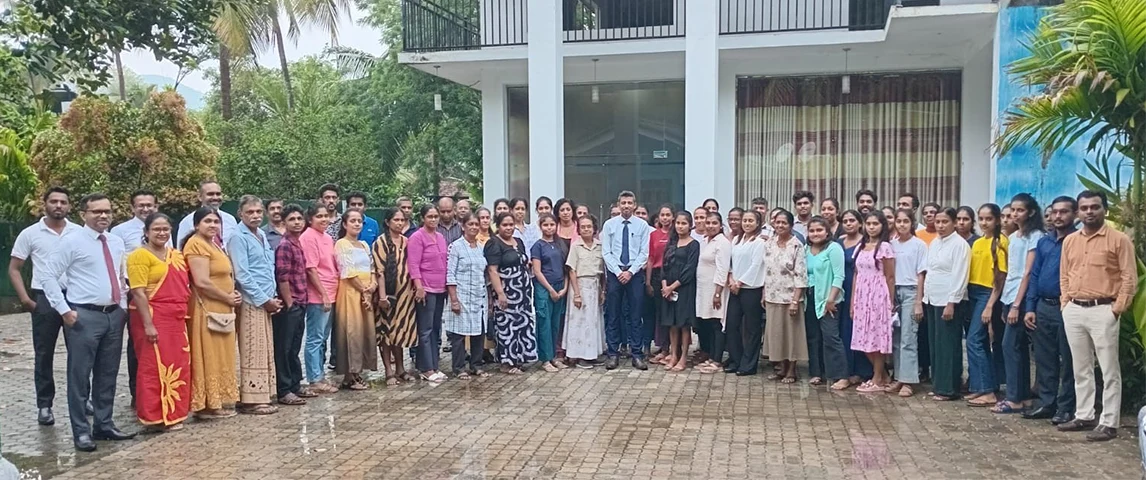
DFCC Wyapara Hamuwa Empowers Handicraft Entrepreneurs through “Tusker Point” Initiative
3. DFCC Thirasara Athwela Programme
Entrepreneurship | Financial Inclusion
In 2025, DFCC Bank continued to advance sustainable entrepreneurship through its Thirasara Athwela initiative, empowering university students and early-stage entrepreneurs with the knowledge and skills needed to build responsible and resilient businesses. The programme commenced at the University of Colombo, bringing together around 60 participants from the Diploma in Entrepreneurship and Business Management programme. Featuring sessions led by DFCC experts and an external resource person, the workshop equipped attendees with practical tools for building sustainable ventures. Positive feedback and requests for continued collaboration underscored the programme’s growing impact.
Expanding its engagement, the Bank also conducted a sustainable business consultancy and evaluation session for five undergraduate groups from the University of Colombo’s Faculty of Management and Finance. This initiative supported the refinement of early-stage business concepts while encouraging environmentally responsible innovation. Additionally, the Bank contributed to an exhibition and award ceremony featuring 60 student-led stalls, evaluating the environmental viability of the nature-based products presented.
Further strengthening the initiative’s reach, an Entrepreneurship Skills Development Workshop was held for 34 participants from the University of Kelaniya. Students gained practical exposure to business development techniques, resulting in several promising start-up concepts.
Through Thirasara Athwela, DFCC Bank continues to play a pivotal role in shaping Sri Lanka’s next generation of sustainable entrepreneurs.
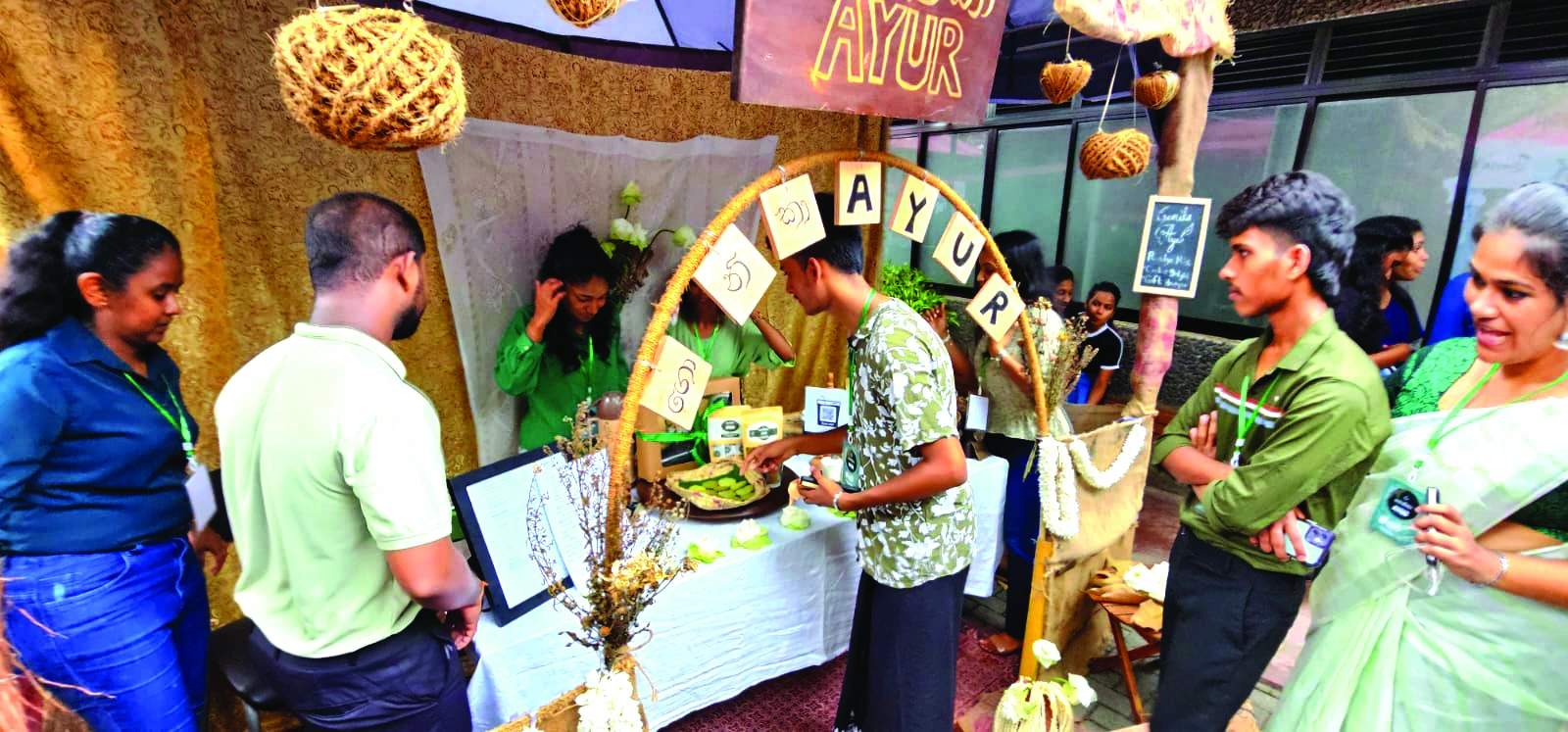
"Gonika" for joint aches – particularly from Chickengunya

Organic insect repellent/aromatic candle

Narang Wine

King Coconut based energy drink

Gingelly based flavoured candy
Cross section of sustainable and innovative nature-based products developed by the participants
4. Safeguard the Sri Lankan Leopard – Protecting Biodiversity and Natural Capital
Environment | Biodiversity and Ecosystems
In 2025, DFCC Bank deepened its environmental stewardship through its Safeguard the Sri Lankan Leopard initiative, implemented in partnership with the Wilderness and Wildlife Conservation Trust (WWCT).
The Sri Lankan leopard is an apex predator and a keystone species whose survival underpins ecosystem stability. Habitat fragmentation, human–wildlife conflict and poaching continue to threaten its population. By supporting conservation research, community education and conflict mitigation strategies, DFCC Bank contributes to protecting biodiversity while promoting coexistence between communities and wildlife.
The initiative includes nationwide awareness campaigns, educational materials in multiple languages and collaboration with conservation experts to promote science-based interventions. Protecting the leopard extends beyond species conservation; it safeguards forest ecosystems, water resources and ecological balance that sustain rural livelihoods and long-term environmental resilience.
Through this partnership, DFCC Bank reinforces its commitment to integrating biodiversity considerations into its sustainability agenda and to supporting nature-positive outcomes aligned with national conservation priorities.

Awareness campaign on Leopard conservation initiative
Community Impact

Community Awareness

Thousands reached
Habitats covered:
Wilpattu | Yala | Central Highlands
Key Outcomes:
- Awareness
- Action
- Conservation
5. Samata English Programme
Education
In 2025, DFCC Bank continued its commitment to youth employability through the Samata English Programme, conducted in partnership with Gateway Education Services (Pvt) Ltd. Targeted at youth aged 18–25 who have completed the G.C.E. (A/L) examination, the programme drew strong interest, with nearly 1,000 applicants screened via social media. Of these, 24 students were selected for the four-month course held from February to May 2025 at the Gateway Language Centre in Matara. The programme focused on strengthening English language proficiency alongside essential soft skills for the job market. With a minimum pass mark of 40%, 12 students scored above 60% and were offered internship opportunities at DFCC Bank. Certificates were awarded to all students who successfully completed the course. Through this initiative, DFCC Bank continues to support youth development and enhance employability across Sri Lanka.
6. Scholarship Programme to Assist Victims of Easter Attacks
Education
Through this scholarship initiative, DFCC Bank provides ongoing financial support to children who were affected by the Easter Sunday attacks, helping them continue their studies through secondary school. During the year the Bank assisted 09 students in Negombo. The Bank remains firmly dedicated to assisting these families, ensuring that the educational aspirations of the next generation remain intact.
7. DFCC – CARITAS SEDEC Scholarship Programme
Education
This nationwide initiative reflects DFCC Bank’s strong commitment to promoting education and social equity by supporting students from economically disadvantaged and marginalised communities. Launched in 2020 as a five-year programme and concluded in 2025, the initiative provided monthly financial assistance to students pursuing primary, secondary, tertiary, and vocational studies. The support covered essential expenses such as transport, learning materials, tuition, and meals, ensuring that financial hardship did not interrupt their educational pathways—particularly during periods of national economic instability. Implemented through Caritas Sri Lanka’s extensive diocesan and parish network, the programme ensured accurate beneficiary selection and effective community-level monitoring. Starting with 85 students in 2020, it progressively expanded to support 197 students across 17 districts by 2025. A significant proportion of beneficiaries comprised female students, children from single-parent or women-headed households, and youth from rural, estate, fisheries, and conflict-affected communities—demonstrating strong gender and social inclusion.
Rising Against the Odds: Dinithi’s Journey to Success
Dinithi Kavindya joined the DFCC–Caritas Scholarship Programme while pursuing her studies at the Faculty of Engineering, University of Moratuwa. Despite severe family challenges, her father battling a serious kidney illness and her mother sustaining the household through self‑employment, Dinithi remained resilient and focused on her academic goals. The scholarship provided vital financial stability, enabling her to continue her studies uninterrupted. Upon her graduation she is now employed as a Software Engineer at a private company. Dinithi expresses deep gratitude, noting that the support empowered her to overcome adversity and achieve her dreams.

Breaking Barriers Through Education: Vincent’s Story
Vincent Richard Fernando from Mahagastotta Estate, Nuwara Eliya, is an exceptional beneficiary of the DFCC–Caritas SEDEC Scholarship Programme. A final‑year student at the University of Peradeniya’s Faculty of Agriculture, he specialised in Animal Science and Fisheries and recently completed an innovative research project on Beta Casein A1/A2 gene variation, a biotechnology study conducted for the first time in Sri Lanka. The scholarship supported his academic and research expenses, enabling him to excel and complete his internship. With the conclusion of his degree, Vincent has requested that his scholarship be passed on to another deserving student, reflecting his gratitude and commitment to giving back.


8. Donation of Surplus Goods to Support Schools and Communities
In January 2025, DFCC Bank extended its commitment to community wellbeing by donating surplus gift items and used cupboards to several educational and social service institutions. Beneficiaries included the School for the Deaf, Ratmalana, the School for the Blind, Ratmalana, Sri Chandrasekera Special School, Moratuwa, Wesley Nursery School, Matara, and the Athuraliya Divisional Secretary’s Office, which distributed items to flood-affected and low-income families. Cupboards, rice cookers, gas cookers, electric kettles, and water filters were provided to support daily operational needs. Additionally, Bollegala Maha Vidyalaya received two plastic collection bins and essential kitchen equipment, to enhance its home science room. The Bank also supported education by donating school stationery to 123 students at Pumalathan and Madhu Primary Schools in Mannar District. The recipient institutions expressed their appreciation for DFCC Bank’s meaningful contribution, reflecting the Bank’s ongoing commitment to supporting underserved communities and strengthening local educational environments.
9. Mental Health and Community Well-being
Exercise | Emergency Relief | Social Well-being
In 2025, DFCC Bank strengthened a CSR platform that the Bank intends to build over the long term – cycling with purpose. Through Ride for Life, colleagues, customers and communities came together around a clear cause: suicide prevention and mental well-being, amplified through Sri Lanka’s 1,333 mental health crisis support line. What began in pockets in earlier years and was formalised last year now stands as a growing, repeatable movement that branches can own and scale.
Ride for Life is designed as more than a single-day event. It is a sustained engagement model that combines visibility, conversation and community action - from branch-led cycling activations and internal communications to public-facing awareness content, partner engagement and fundraising. Across these touchpoints, the Bank’s intent is consistent: to make help-seeking feel normal, to encourage early intervention, and to direct attention to trusted support channels.
Community Impact
15+
Awareness sessions and public engagements
500+
People Reached
Key Outcomes:
- Promoted the 1,333 crisis support hotline campaign
- Engaged the public in open discussions across multiple regions
- Supported organisational well-being initiatives

1333 Bikeathon powered by DFCC Bank.
10. Cyclone Ditwah Emergency Response and Flood Relief Programme
Emergency relief | Climate resilience
During 2025, Sri Lanka was impacted by severe flooding and cyclonic conditions. Particularly in November and December, disrupting multiple districts and displacing thousands of individuals and families. In response, DFCC Bank swiftly activated its Flood Relief and Emergency Response Programme, operating under the guidance of the Central Bank of Sri Lanka (CBSL) Circular No. 04 of 2025. This initiative was implemented through DFCC Bank’s extensive branch network, coordinated regional teams, and partnerships with local authorities, ensuring timely, targeted assistance to those most affected.
The Bank's relief efforts encompassed both material and financial aid. Immediate support included the distribution of essential relief items such as dry rations, clean drinking water, basic household necessities, and medical essentials. On the financial front, DFCC Bank provided a suite of relief measures including:
- Loan moratoriums for eligible borrowers
- Fee waivers across affected services
- Concessional restructuring of impacted credit lines
- Re-launch of the "Vardhana Sahanaya" loan scheme offering personal financing to rebuild homes and livelihoods
Community Impact

18+
major relief distributions

1200+
families supported
Key response locations:
Western, Southern, Central, Uva, North Western and Northern provinces
Beyond immediate recovery, this initiative reflected DFCC Bank’s broader commitment to climate resilience and sustainable community preparedness, acknowledging that increasingly frequent extreme weather events demand proactive, long-term support frameworks to protect lives and livelihoods.
Value Created
|
Value to Communities |
Value to DFCC Bank |
Value to the Nation |
|
|
|
Our commitment
DFCC Bank's community engagement in 2025 reflected the operational reality of managing both long-term development objectives and immediate crisis response requirements. The cyclone and flood relief efforts demonstrated institutional capacity for rapid, coordinated action, while ongoing programmes in entrepreneurship, mental health, and conservation reinforced sustained commitment to community resilience.
Looking forward, the Bank will continue strengthening its community engagement infrastructure, expanding partnerships with public and private sector stakeholders, and refining impact measurement frameworks to ensure CSR initiatives deliver measurable, sustainable outcomes aligned with national development priorities.

Emergency relief support.
GRI
2-28
Business partner relations
Regulatory and Government relations
As a regulated financial institution, our relationships with the Central Bank of Sri Lanka (CBSL), Securities and Exchange Commission (SEC), government institutions, and industry associations are foundational to operational legitimacy and policy influence.
2025 Regulatory Engagement
| Key Concern | Our Response |
| Regulatory Implementation | Full, timely compliance with all CBSL directions and CSE Listing Rules |
| Statutory Reporting | Accurate, timely reporting and tax payments maintaining regulatory trust |
| Economic Alignment | Provided customised financial solutions to sectors aligned with national priorities |
| Financial Sector Stability | Maintained strong liquidity and capital buffers supporting systemic resilience |
| SME/Micro Development | Expanded SME and microfinance lending supporting inclusive growth |
| Regional Collaboration | Active ADFIAP participation; hosting 2026 conference; working with GCF and Government on project funding |
Industry association memberships
DFCC Bank actively participates in leading associations shaping policy dialogue, regulatory development, knowledge sharing, and best practices:
Key Memberships:
- American Chamber of Commerce in Sri Lanka
- Association of Development Financing Institutions in Asia and the Pacific (ADFIAP)
- Federation of Information Technology (Guarantee) Limited
- Fintech Forum (Guarantee) Limited
- Galle District Chamber of Commerce & Industry
- Global Compact Network Ceylon (Guarantee) Ltd (The United Nations Global Compact)
- International Chamber of Commerce Sri Lanka
- Partnership in Carbon Accounting Financials (PCAF)
- Sri Lanka Business and Biodiversity Platform (Biodiversity Sri Lanka)
- Sri Lanka Forex Association
- The Association of Banking Sector Risk Professionals of Sri Lanka
- The Ceylon Chamber of Commerce
- The Council for Business with Britain
- The Employers Federation of Ceylon
- The European Chamber of Commerce of Sri Lanka
- The Financial Ombudsman Sri Lanka (Guarantee) Limited
- The National Chamber of Commerce of Sri Lanka
- The Sri Lanka Banks` Association (Guarantee) Limited
In an interconnected world demanding collaborative solutions, DFCC Bank's partnerships spanning development institutions, correspondent banks, suppliers, and DFCC Group entities create powerful multiplier effects enabling responsible finance, risk mitigation, innovation acceleration, and national development advancement.
International development partnerships
In 2025, we sustained and deepened relationships with impact funds and bilateral partnerships securing renewed and new funding lines supporting renewable energy, and sustainability-linked initiatives.
During the year, we secured a USD 12 Mn facility arranged by Symbiotics (a leading market access platform for impact investing, dedicated to private markets in emerging and frontier economies), where the financing was through bonds issued specifically for DFCC Bank and listed on the Securities Official List of the Luxembourg Stock Exchange.
The funding, split between a USD 6.25 Mn tranche and an equivalent of USD 5.75 Mn in Sri Lankan Rupees, was to support renewable energy projects. This funding would be utilised for financing solar energy investments by households, SMEs and corporates in support of the national decarbonaisation drive.
Sri Lanka's First Blue Bond
LKR 3 Bn (USD 10 Mn) senior, unsecured, redeemable instrument with an “A(lka)” rating from Fitch Ratings was Launched in November 2025, and was listed on the CSE. The issuance was oversubscribed on the opening day itself due to the confidence and trust placed on DFCC by the investors. This bond aligns with ICMA Green Bond Principles, IFC Blue Finance Guidelines, and Sri Lanka's Green Finance Taxonomy. Proceeds are dedicated to marine ecosystem protection, water security, and coastal resilience.
Building on our 2024 Green Bond (LKR 2.5 Bn, dual-listed on the CSE and the Luxembourg Green Exchange), the Bank was able to secure further listings of the Green Bond on prestigious International Stock Exchanges in India (The national Stock Exchange – International Exchange [NSEIX] and India International Exchange [India INX]), this positions DFCC Bank and Sri Lanka as regional sustainable finance pioneers.
Key Development Finance Partners:
- Asian Development Bank (ADB)
- European Investment Bank (EIB)
- Kreditanstalt für Wiederaufbau (KfW) – Germany
- Deutsche Investitions – und Entwicklungsgesellschaft (DEG)
- Nederlandse Financierings-Maatschappij voor Ontwikkelingslanden (FMO) – Netherlands
- Proparco (Agence Française de Développement) – France
- BlueOrchard Microfinance Fund – Luxembourg
- U.S. International Development Finance Corporation (DFC)
- The World Bank
- Green Climate Fund (GCF)
- Symbiotics Investments SA – Switzerland
- RAKBANK (National Bank of Ras Al Khaimah) – UAE
- Commerzbank Aktiengesellschaft
These alliances diversified funding, amplified sustainable finance flows, and strengthened capacity for climate adaptation, inclusive growth, and environmental stewardship financing.
Correspondent banking network
DFCC Bank maintained relationships with approximately 200 correspondent banks worldwide ensuring uninterrupted access to key markets and currencies despite geopolitical complexities.
Key Correspondent Partners:
- Standard Chartered Bank (South Asia, Europe, UK, USA, Singapore, Japan)
- HSBC Bank (USA)
- JPMorgan Chase Bank (USA and Australia)
- Deutsche Bank AG (Germany and USA)
- Mashreq Bank (USA, India and UAE)
- Kookmin Bank (S. Korea)
- Commerzbank AG (Germany)
- Oversea-Chinese Banking Corp Ltd, (Singapore)
- Sumitomo Mitsui Banking Corporation, Japan
- UniCredit Bank GmbH (Germany)
- Bank of China Limited
- Zürcher Kantonalbank (Switzerland)
- HDFC Bank Ltd (India)
- Bank of Ceylon (UK, Chennai and Maldives)
- Axis Bank (India)
SUPPLIERs and seRvice providers
DFCC Bank exemplifies responsible and visionary corporate citizenship through its approach to supplier engagement. Our supplier partnerships are built on integrity, transparency, and sustainability. Our Procurement Policy serves not only as a compliance framework but also as a strategic tool, ensuring that all suppliers embody the Bank’s values and contribute to long-term, sustainable growth.
429
Registered Suppliers and Service Providers
Our Procurement Policy Framework
Procurement Policy
Integrity | Transparency | Sustainability
Efficient sourcing | Cost minimisation | Quality assurance | Inventory optimisation
↓
Six Guiding Principles
1. Value for Money
4. Transparency
2. Ethical Sourcing
5. No Conflict of interest
3. Support Enterprise and Growth
6. No Bribery and Corruption
↓
Supplier Evaluation and Management Model
- Cost and Delivery Efficiency
- Ethical Labour Practices (No child labour)
- Environmental Stewardship
- Financial Stability and Business Continuity
- Quality and Timeliness of Delivery
- Price Competitiveness
- After-sales Support
- Regulatory Compliance
- ESG Checklist
↓
Outcomes
- Strengthened Supplier Relationships
- Economic Development
- Sustainable Value Chain
- Continuous Improvement
Supplier Selection Criteria and Processes
Purchase Requests
Supplier Registration and Review
Obtaining Quotations from Suppliers
- Request for quotations
- Limited competitive bidding
- Direct contracting
Evaluation and Vendor Selection
Raising of Purchase Orders
Receipt of Goods and Services
Our procurement policy emphasises efficient sourcing, cost minimisation, quality assurance, and inventory optimisation, while upholding strong governance standards and the six guiding principles. Suppliers are assessed not only on price and delivery efficiency but also on quality, timeliness, adherence to ethical labour practices (including the prohibition of child labour), environmental stewardship, financial stability, after-sales support and continuity planning.

Reviews and Assessments

Communications, and meetings and visits to business partner premises

Supplier Registration Process

Requests for Proposals
We share our feedback with our suppliers regularly as a means of supporting their continuous improvement. Suppliers also have direct access to grievance channels, reflecting our open-door policy for employees, contractors, and vendors alike. Large-scale procurements include structured project management processes such as steering committees and change control boards where progress review meetings are held to monitor progress and address concerns constructively.
Suppliers are categorised into large, medium, and small-scale partners to ensure inclusivity across the value chain. Preference is given to local suppliers in line with our national development agenda, and an ESG checklist has been incorporated into supplier assessments to ensure complete alignment with ESG best practices.
Upskilling and Knowledge Sharing
Recognising that a strong supply chain depends on capable partners, DFCC Bank actively supports the development and strengthening of its suppliers. SME Capacity-Building Workshops and Entrepreneur Development Programmes provide training in finance, digital adoption, and sustainable practices. MSMEs and self-employed contractors engaged in DFCC Bank procurement benefit from mentorship by external consultants and Bank specialists, gaining practical knowledge and experience. The Bank extends a suite of support mechanisms designed to enable supplier growth and resilience. Tailored financial solutions including working capital loans and trade finance are available to strengthen the resilience of our supply chain continuity.
Support Mechanisms and Resources
The Bank also prioritises the well-being of individuals from underprivileged communities employed through contractors and service providers. Proactive measures include medical screenings and defensive driving programmes for contracted drivers, on-the-job training for outsourced security personnel, free meals for security and janitorial staff, supplementary wage contributions above the national minimum levels, and the provision of safe, comfortable accommodation and changing facilities. These initiatives reflect DFCC Bank’s commitment to fostering a humane, inclusive, and non-discriminatory working environment across its extended supply chain.
ESG Evaluation and Supplier Recognition
We have embedded ESG principles into supplier evaluations, with periodic performance reviews, compliance scoring, and oversight. By embedding ESG principles, prioritising local sourcing, investing in supplier capacity building, and recognising excellence, the Bank has cultivated a supplier ecosystem that is resilient, innovative, and nationally impactful.
Additionally, DFCC Bank has implemented stringent waste management practices to promote circularity. Waste generated from operations is systematically collected, segregated, and sent for repurposing and recycling wherever possible, with only residual waste disposed of responsibly.
These initiatives underscore DFCC Bank’s leadership in embedding sustainability not only within its own operations but also across its extended partner ecosystem.

Waste Reduction

Eco-friendly Packaging

Sustainable Resourcing

Energy Efficiency
Supplier Environmental Record

Minimise Transportation
Key Elements DFCC Bank's Sustainable Procurement Guidelines
Collaborations
Collaboration with industry partners, regulators, development institutions, and community organisations remains central to DFCC Bank’s sustainability approach. These partnerships enhance reach, effectiveness, and shared learning, particularly in areas such as disaster response, climate resilience, and inclusive growth. Notable 2025 collaborations included work with the Global Green Growth Institute (GGGI) for the Blue Bond and Symbiotics for SME renewable funding.